Looking to dive into the world of resin crafting? Choosing the Best UV Resin for Beginners can significantly enhance your experience. With an array of options available in 2026, it can be overwhelming for newcomers. This guide aims to simplify that process.
In this article, we’ll explore ten top UV resins that cater specifically to beginners. We’ll highlight their features, user-friendliness, and durability. Understanding these aspects is crucial for crafting success. During your journey, you may encounter some challenges. Getting the right consistency or curing time might not always go as planned. However, that’s part of the learning curve.
By the end, you’ll have a clearer idea of the Best UV Resin for Beginners. With the right guidance, starting this creative venture can be both exciting and rewarding. Let's begin this exploration together.
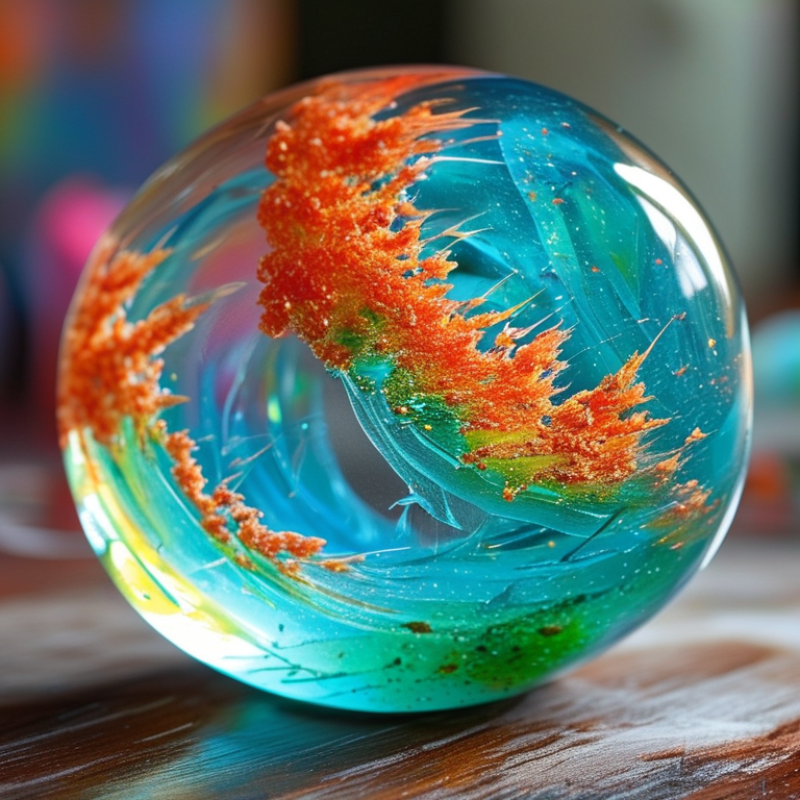
UV resin is a versatile material that has gained popularity among craft enthusiasts. For beginners, understanding its properties is essential for successful projects. UV resin cures quickly when exposed to ultraviolet light. This makes it ideal for various applications, from jewelry making to home decor. Beginners should start with clear resin, as it allows for easy color mixing and layering.
Working with UV resin isn't always straightforward. New users may face challenges like uneven curing or air bubbles. These imperfections can disrupt your designs, leading to frustrations. It’s vital to follow instructions closely and practice patience. Experimentation is part of the learning process. As you gain experience, you will develop techniques to achieve smoother finishes.
Safety is another crucial aspect to consider. Always use UV resin in a well-ventilated space. Wear gloves and protect your skin, as some resins can cause irritation. Special attention to UV exposure is important too. Understanding these safety measures enhances your crafting experience. Overall, mastering UV resin takes time and practice. Embrace the journey and learn from your mistakes.
| Option | Viscosity | Cure Time | Color | Safety Features |
|---|---|---|---|---|
| Option 1 | Low | 2 minutes | Clear | Non-toxic |
| Option 2 | Medium | 1 minute | Amber | UV-resistant |
| Option 3 | High | 30 seconds | Clear | Odorless |
| Option 4 | Low | 2 minutes | Blue | Low VOC |
| Option 5 | Medium | 1 minute | Clear | Non-flammable |
| Option 6 | High | 30 seconds | Purple | Eco-friendly |
| Option 7 | Low | 2 minutes | Green | Child-safe |
| Option 8 | Medium | 1 minute | Clear | Non-toxic |
| Option 9 | High | 30 seconds | Clear | Chemical-resistant |
| Option 10 | Low | 2 minutes | Opaque | Non-flammable |
: Beginners should seek resins that cure quickly, are easy to work with, and have minimal odor.
UV resins need exposure to UV light. This can be achieved with a UV lamp or sunlight.
No, some UV lights may not cure the resin properly. Testing different sources is often necessary.
It's best to work in small batches to minimize waste and allow for easy corrections.
Mistakes are part of learning. Reflecting on errors can provide valuable lessons for improvement.
Essential tools include a UV lamp, mixing tools, and protective gloves. These help ensure clean and effective work.
Pouring resin in thin layers creates depth and texture, adding unique visual effects to your designs.
Yes, consistency comes with experience. Keep practicing to improve your skills and creativity.
No, don't stress about perfection. Everyone faces challenges when learning, and reflection leads to growth.
Experimenting allows for unique designs and enhances creativity, making each project more personal and interesting.
In 2026, the "Best UV Resin for Beginners" serves as an essential guide for new crafters looking to explore the world of UV resin. The article begins with a foundational understanding of UV resin, covering the basics that beginners need to know, including its properties and how it cures under UV light. It emphasizes the importance of key features to consider when selecting the right resin, ensuring that novices make informed choices tailored to their projects.
Moreover, the comprehensive review of the top 10 UV resins provides insights into various product options, highlighting their suitability for beginners. Safety tips are also addressed, as proper handling techniques are crucial for successful and safe crafting. Lastly, the article outlines essential tools and techniques that enhance the working experience with UV resin, helping beginners develop their skills effectively. This resourceful guide is an invaluable asset for anyone eager to start their creative journey with UV resin.

 Ever Ray