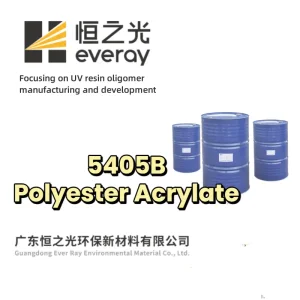
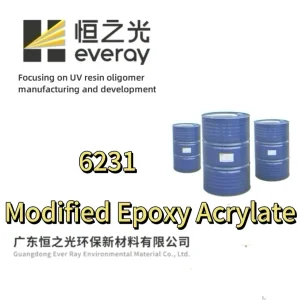
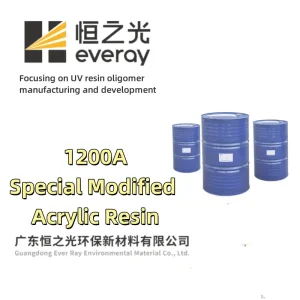
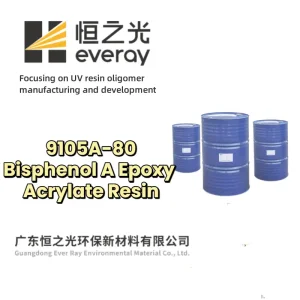
Explore our high-performance polyester acrylates, epoxy acrylates, and specialty oligomers engineered for rapid UV/LED conversion and superior mechanical endurance.
An authoritative technical analysis of photo-polymerization mechanisms, amine modifications, oxygen inhibition mitigation, and radiation-curing performance parameters.
In ultraviolet (UV) and electron beam (EB) cured systems, surface inhibition caused by atmospheric oxygen remains a fundamental technical bottleneck. Free radicals generated by photoinitiators are rapidly scavenged by oxygen molecules to form inactive peroxyl radicals (ROO•), leading to surface tackiness and incomplete polymerization. Amino Acrylate Oligomers overcome this challenge via an intramolecular or intermolecular hydrogen transfer mechanism. The tertiary amine functionality within the acrylate polymer backbone acts as a potent donor: peroxyl radicals abstract a hydrogen atom from the carbon atom alpha to the nitrogen, producing an active alkylamino radical that re-initiates radical polymerization while consuming oxygen locally.
By incorporating chemical amino acrylate structures into formulation matrices, formulators achieve significantly enhanced surface curing speed even under low-intensity LED-UV light sources (365nm to 395nm wavelength). The built-in amine synergism reduces the required dosage of costly Type I and Type II photoinitiators (such as Benzophenone or TPO) by up to 30-50%. This not only lowers raw material procurement costs for industrial chemical blending plants but also drastically reduces migration risks, yellowing tendencies, and residual VOC emissions in sensitive packaging applications.
Technical Insight for Chemical Procurement Directors: Amine-modified polyether acrylates and amino polyurethane acrylates exhibit dual-functional performance—acting simultaneously as primary film-forming binder resins and secondary photoactivators. This dual nature eliminates the volatility and odor issues associated with low-molecular-weight monomeric amine synergists like BDMA or TEAO.
Analyzing shifts in global radiation curing adoption, environmental compliance directives, and factory selection criteria for multinational industrial buyers.
Global manufacturing hubs in Europe, North America, and Southeast Asia are transitioning rapidly from traditional medium-pressure mercury lamps to monochromatic LED-UV curing systems. Because LED lamps emit narrower UV spectral bands (primarily 365–395 nm) and lack deep UVC radiation, surface curing efficiency drops without specialized resins. Amino Acrylate Oligomers serve as vital accelerators for LED-UV formulations, ensuring rapid surface tack-free drying without high thermal radiation—making them essential for heat-sensitive plastic and wood substrates.
With stringent environmental standards such as EU REACH, RoHS 2.0, and regional VOC emission caps, international buyers demand chemical raw materials free from SVHC (Substances of Very High Concern), heavy metals, halogenated solvents, and residual toxic monomers. Quality-driven factories in China produce amino acrylates via high-yield, low-waste catalytic esterification and adducting processes, fully aligning with corporate ESG policies and eco-labeling standards (e.g., China Environmental Labelling, Nordic Swan).
Off-the-shelf resin solutions often fail to satisfy niche industrial applications. Procurement managers prioritize suppliers possessing robust synthesize capabilities for specialty functional modified acrylate oligomers—including low-viscosity polyester acrylates for flexo inks, flexible polyurethane acrylates for mobile device casing coatings, and high-hardness modified epoxy acrylates for dense metal or wood primers.
| Performance Characteristic | Standard Epoxy / Polyester Acrylate | Amine-Modified Acrylate Oligomer | Industrial Application Impact |
|---|---|---|---|
| Oxygen Inhibition Resistance | Low (Requires Nitrogen Blanket or High PI) | Exceptional (Self-Synergistic Amine Mechanism) | Eliminates surface tackiness, enables fast line speed in air. |
| LED-UV (395nm) Curing Speed | Moderate to Slow | Ultra-Fast (High Radical Generation Yield) | Reduces energy consumption by 40-60% across curing lines. |
| Photoinitiator Requirement | High (6% - 10% weight ratio) | Low (2% - 4% weight ratio) | Dramatically lowers formulation cost and migration risk. |
| Substrate Adhesion (Plastics/Metal) | Moderate (High Shrinkage Stress) | Superior (Improved Wetting & Lower Shrinkage) | Prevents delamination on PC, ABS, PET, and aluminum. |
| Yellowing & Color Stability | Variable (Standard Aromatic Types Yellow) | Engineered Low-Yellowing (Aliphatic Backbone) | Ideal for clear wood topcoats, optical films, and white inks. |
How Guangdong Ever Ray leverages smart factory automation, dual production site redundancies, and DCS control to ensure global chemical supply security.
Chemical synthesis of acrylic oligomers requires micro-degree temperature accuracy, precise pressure management, and controlled vacuum distillation to prevent premature gelation and guarantee narrow molecular weight distribution (MWD). Modern Chinese chemical plants utilize advanced Distributed Control Systems (DCS) to govern multi-stage esterification, acrylation, and amine addition reactions. Automated metering and continuous online viscosity monitoring maintain batch-to-batch consistency with delta tolerances under 2%, minimizing formulation adjustments for international compounders.
Supply chain fragility is a critical concern for global industrial enterprises. Operating twin production facilities—a 10,000 m² site in Jiangmen, Guangdong, and a massive 40,000 m² chemical park base in Yunfu, Guangdong—establishes absolute supply security. With over 10 automated synthesis lines yielding an annual output capacity exceeding 20,000 metric tons, dual-site redundancy buffers against regional logistics disruptions, raw material fluctuations, and peak demand spikes.
Tailored oligomer solutions designed for high-performance end-use markets, from consumer electronics to heavy-duty industrial wood and automotive coatings.
Smartphones, laptops, and automotive interior panels require high-gloss or soft-touch metallic finishes achieved via physical vapor deposition (PVD). Specialty polyurethane acrylates (such as 7230E) combined with amine synergists deliver exceptional interlayer adhesion between UV primer coatings and vacuum-plated aluminum/titanium layers, resisting thermal expansion stress and harsh artificial sweat immersion tests.
Modern luxury furniture and architectural panels utilize 172nm excimer laser curing to create micro-folded, dead-matte surface structures with velvety "skin-feel" tactile feedback. Specialized polyester acrylates (e.g., 53036 and 7411B) offer ultra-low viscosity and controlled surface tension, enabling micro-wrinkling under excimer radiation without sacrificing chemical or scratch resistance.
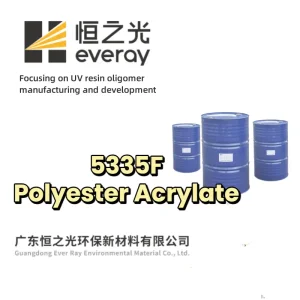
High-speed offset, flexographic, and screen printing presses demand rapid ink drying to prevent blocking on paperboard and plastic film rolls. Utilizing amine-modified epoxy acrylates (such as 6231 and 5335F) accelerates surface ink setting, enhances pigment wetting, suppresses ink misting at 500 m/min press speeds, and guarantees chemical resistance against solvent rubs and food oils.
Expert technical responses to common questions regarding amino acrylate selection, formulation compatibility, storage stability, and global procurement.
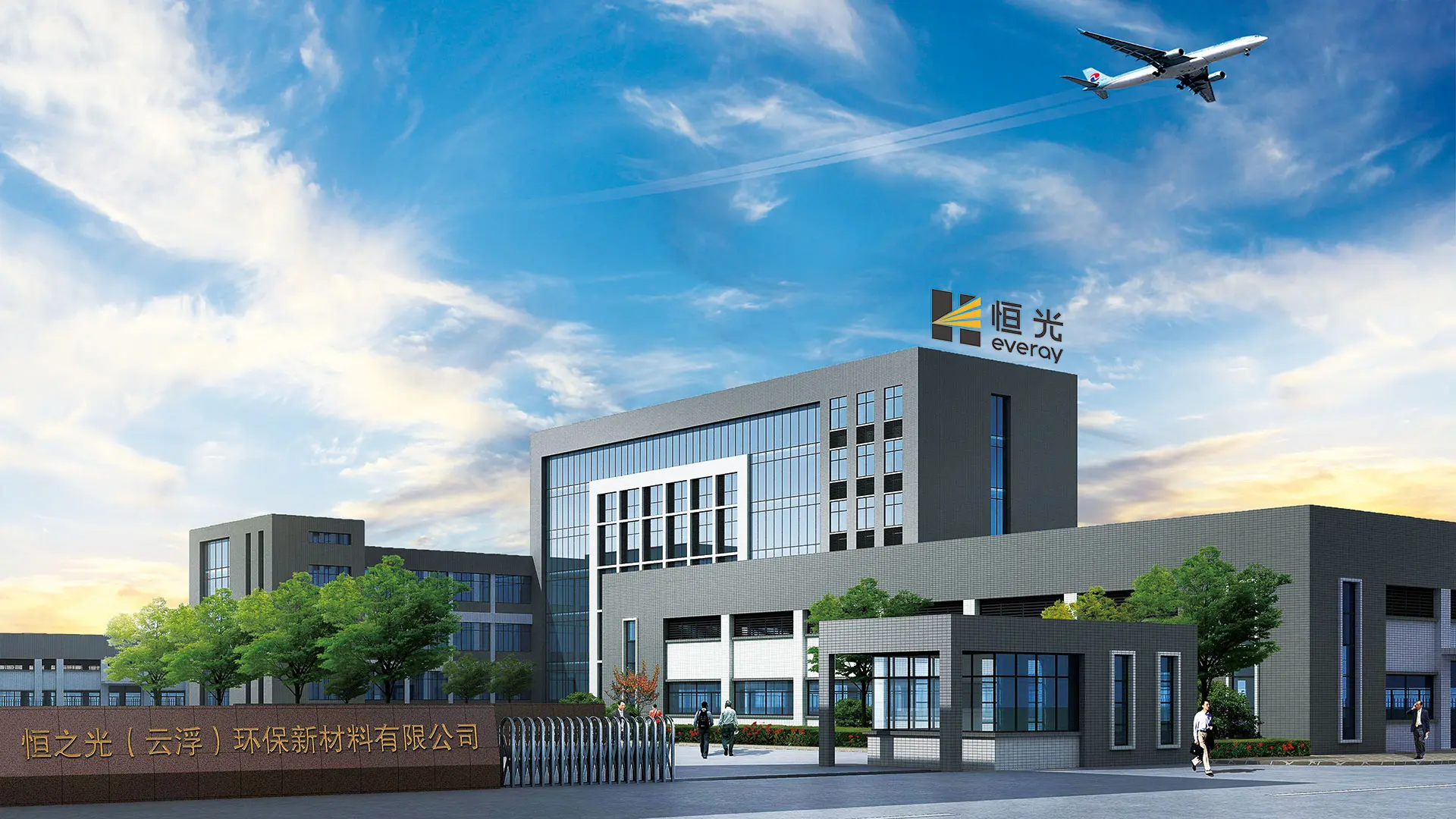
Guangdong Ever Ray Environmental Material Co., Ltd. established in 2006, is a high-tech enterprise focusing on the R&D and manufacturing of oligomers for UV curable resin such as epoxy acrylate, polyurethane acrylate (water borne, aliphatic urethane, aromatic urethane), polyester acrylate, pure acrylate and other special functional modify acrylate oligomers.
We have two production bases, one is in Jiangmen, Guangdong, production area is about 10,000 square meters, while the other is in Yunfu Guangdong which production area is around 40,000 square meters, complete with quality control, storage and logistics supporting facilities, annual production capacity is more than 20,000 tons with more than 10 production lines.
To ensure quality control, our factory operates under the ISO9001 quality management system and ISO14001 environmental management system together with a flexible and advanced DCS fully computerized control system. Moreover, we select high-quality domestic and foreign raw materials, adopt advanced scientific management methods, and hire domestic UV material experts for guidance to ensure production safety and product quality stability.
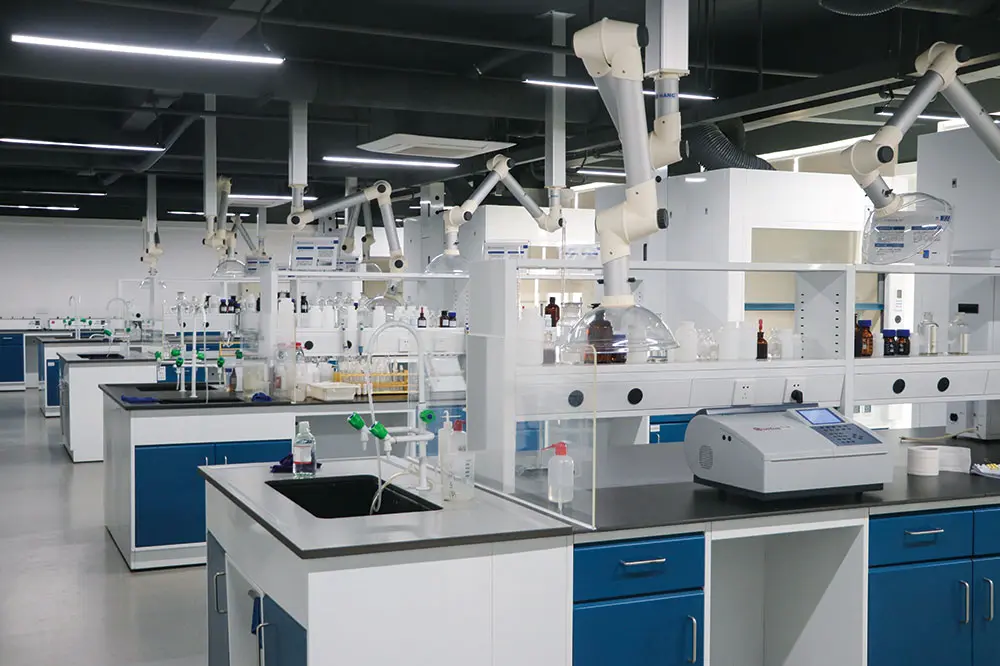
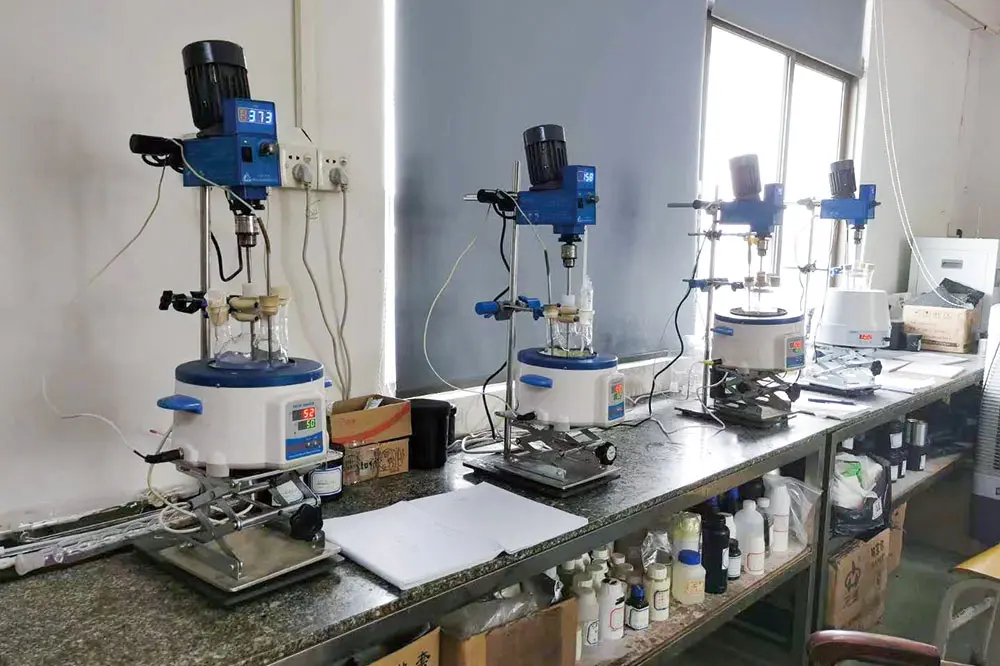
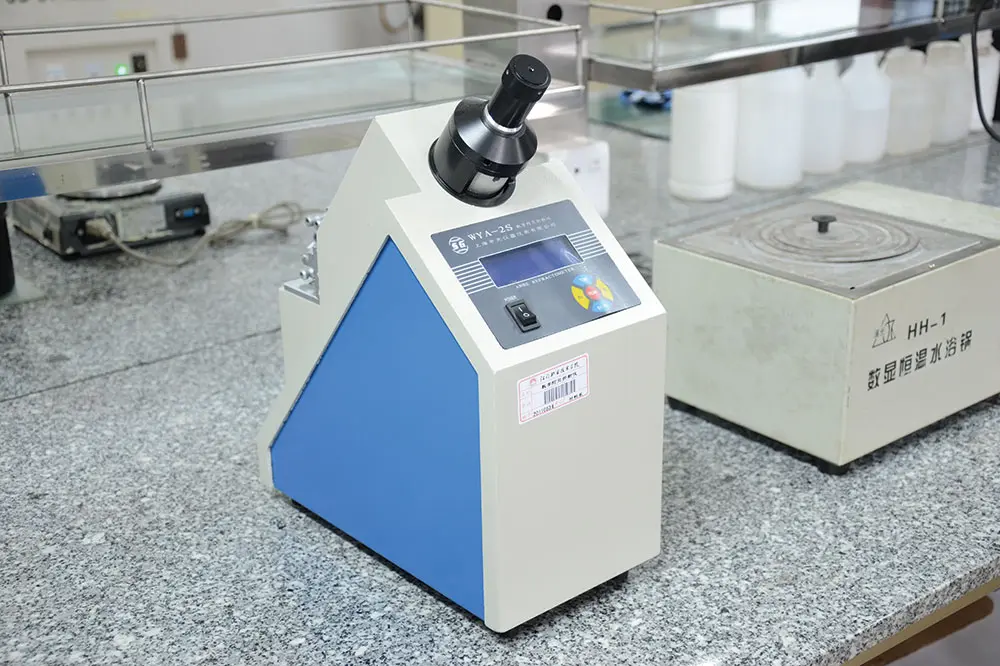
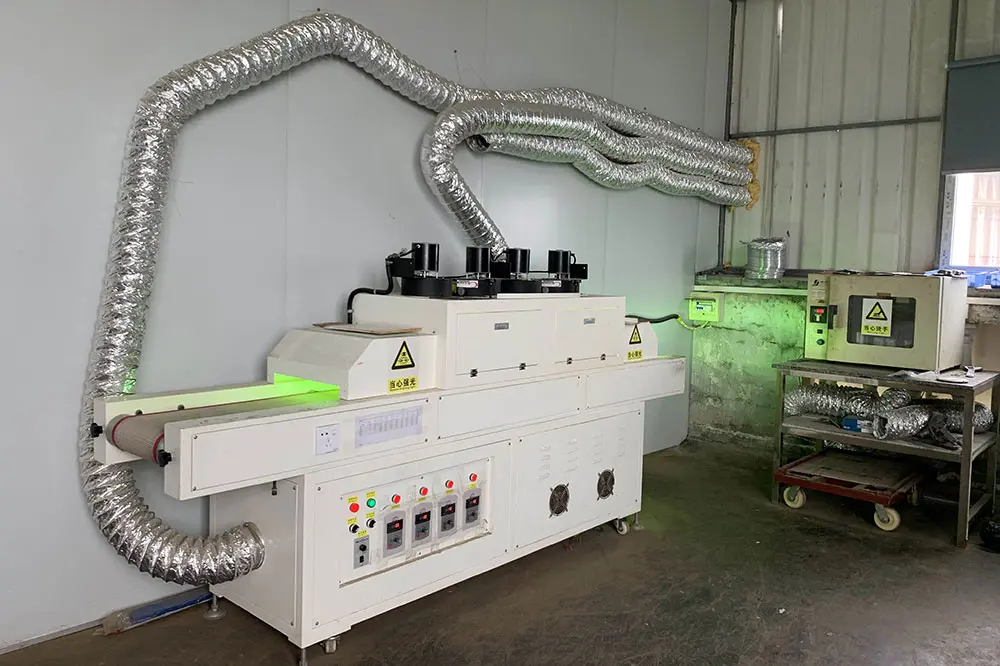
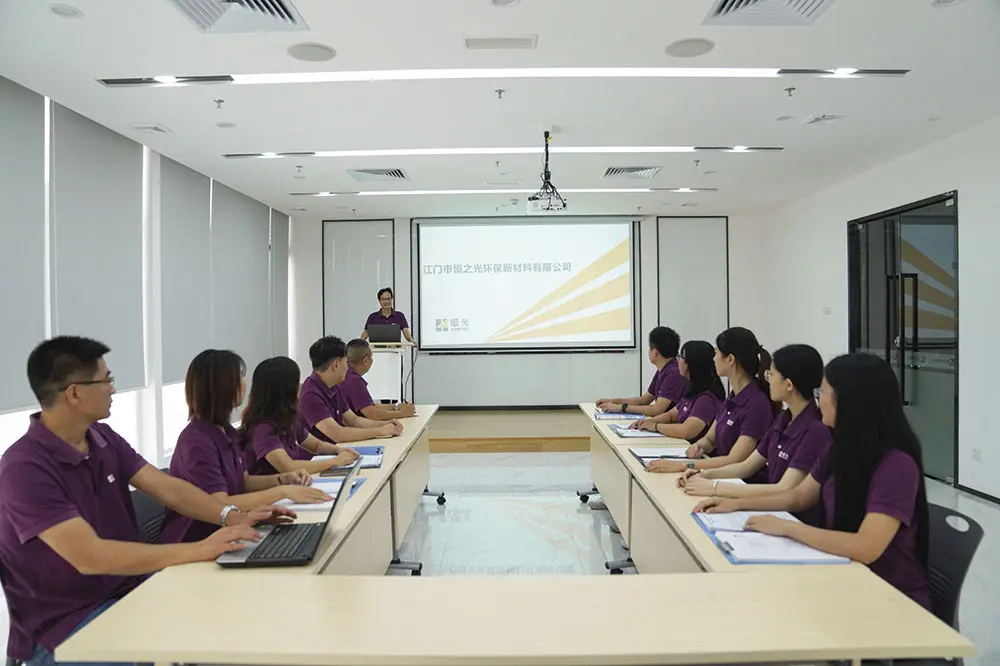
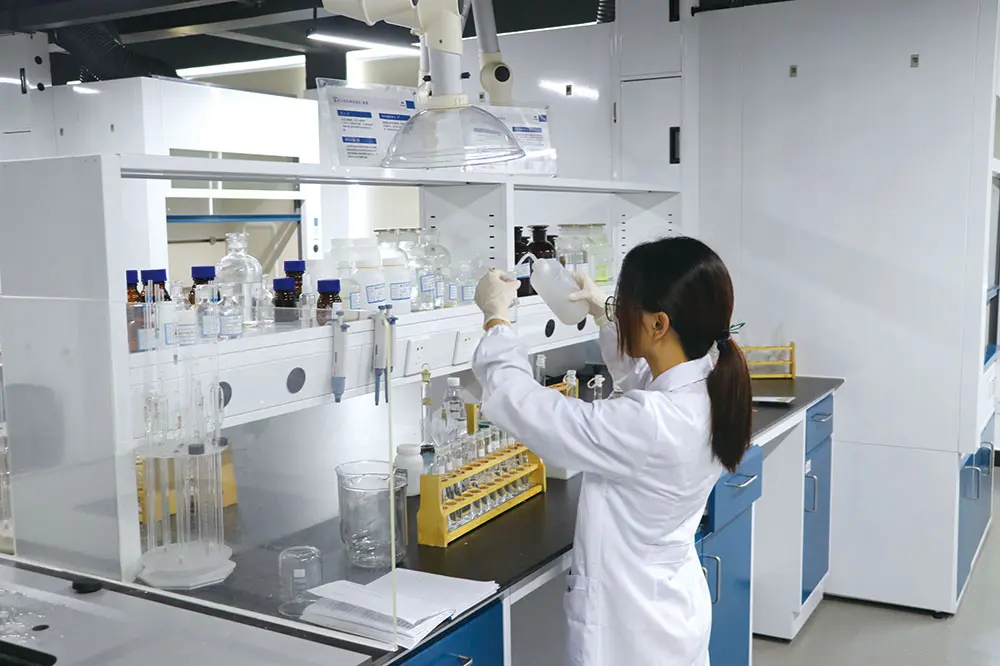
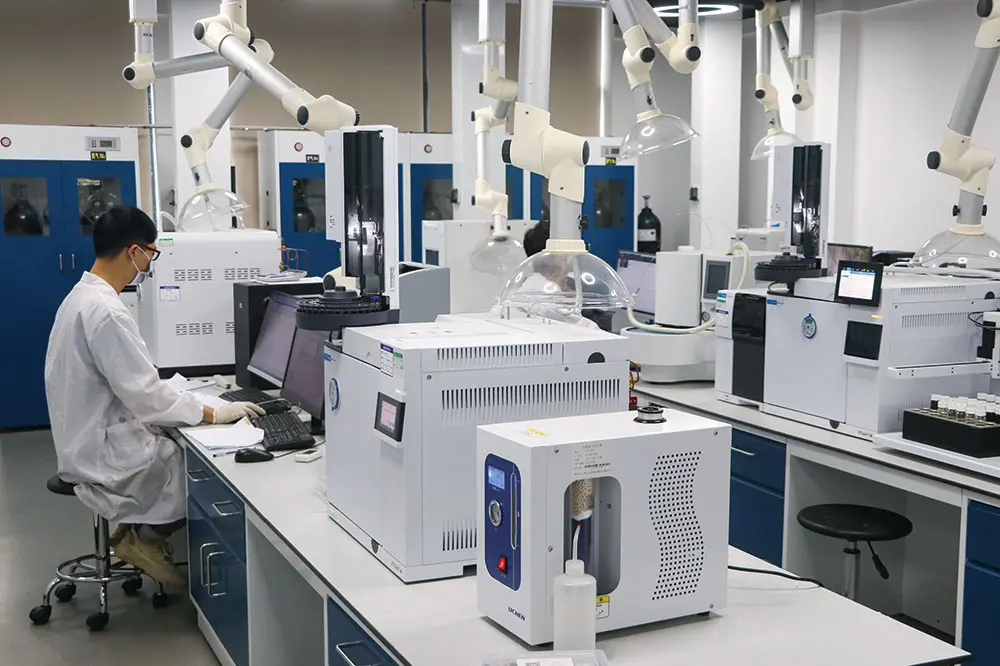
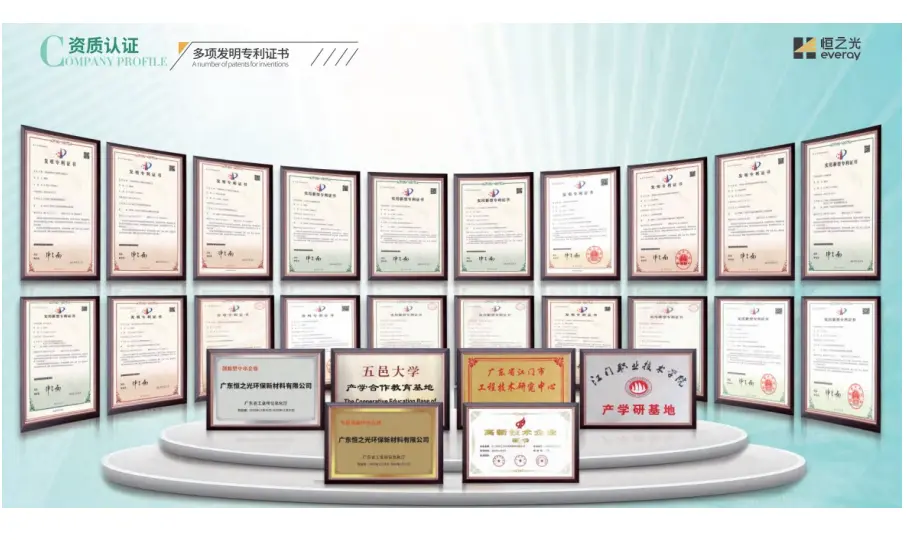
We have more than 10 invention patents and practical patents, with more than 15 technicians in our R&D department. We are providing high reactivity, chemical resistance, and high gloss to formulations for a wide variety of applications, including wood coatings, plastics, inks, adhesives, etc. We supply different formulations for customers to meet their requests not only from the functional capability aspect but also from the cost-saving perspective. We focus on technology and environmental protection coexisting in harmony, firmly taking science and technology as our driving force in future development, continuing to pursue excellence, and maintaining a sustainable green living environment.
Discover our extended lineup of bisphenol-A epoxy acrylates, excimer laser specialty resins, and high-adhesion primers tailored for industrial manufacturing.
 Ever Ray