Discover our highly reactive modified epoxy, aliphatic polyurethane, and low-shrinkage polyester acrylate formulations engineered for extreme applications.
Aliphatic Polyurethane Acrylate (APUA) oligomers are synthesized through the precise reaction of aliphatic diisocyanates (such as IPDI, HDI, or H12MDI) with polyester or polyether polyols, terminated with hydroxyl-functional acrylates (typically HEA or HPA). The core advantage of the aliphatic structure over aromatic variants (such as TDI or MDI) lies in its lack of aromatic rings, which prevents the formation of light-absorbing quinoid chromophores under UV exposure.
This molecular configuration delivers exceptional resistance to yellowing, weather degradation, and photo-oxidation. APUA oligomers represent the gold standard for exterior coatings requiring long-term optical clarity, flexibility, and mechanical resilience.
When selecting aliphatic polyurethane acrylate oligomers for industrial formulations, several mechanical and thermal attributes dictate suitability:
| Oligomer Type | Functionality | Viscosity (mPa·s @ 25°C) | Tg (°C) | Key Application Properties |
|---|---|---|---|---|
| Difunctional Polyether APUA | 2 | 5,000 - 15,000 | -25 to 10 | Ultra-flexible coatings, high impact resistance, optical clarity, non-yellowing. |
| Trifunctional Polyester APUA | 3 | 20,000 - 55,000 | 15 to 45 | Balanced flexibility & hardness, rapid cure speed, high gloss, excellent adhesion. |
| Hexafunctional Polyurethane Acrylate | 6 | 40,000 - 90,000 | 55 to 90 | Extreme scratch resistance (steel wool test), chemical resistance, high surface hardness. |
| Waterborne Aliphatic PUA Dispersion | 2 - 3 | 50 - 500 (Solids 40%) | 0 to 35 | Low VOC, thin-film electronics coatings, zero-diluent environment-friendly formulations. |
We are a leading high-tech enterprise dedicated to the research, development, and advanced manufacturing of premium oligomers for UV curable systems. Our extensive portfolio includes epoxy acrylate, polyurethane acrylate (waterborne, aliphatic urethane, aromatic urethane), polyester acrylate, pure acrylate, and specialized functional modified acrylate oligomers.
By anchoring our development in advanced chemical engineering, we provide formulations that maximize reactivity, enhance chemical resistance, and achieve impeccable optical clarity. Our products serve diverse segments globally—from high-end wood coatings and plastics to electronics packaging, protective clearcoats, and high-performance adhesives.
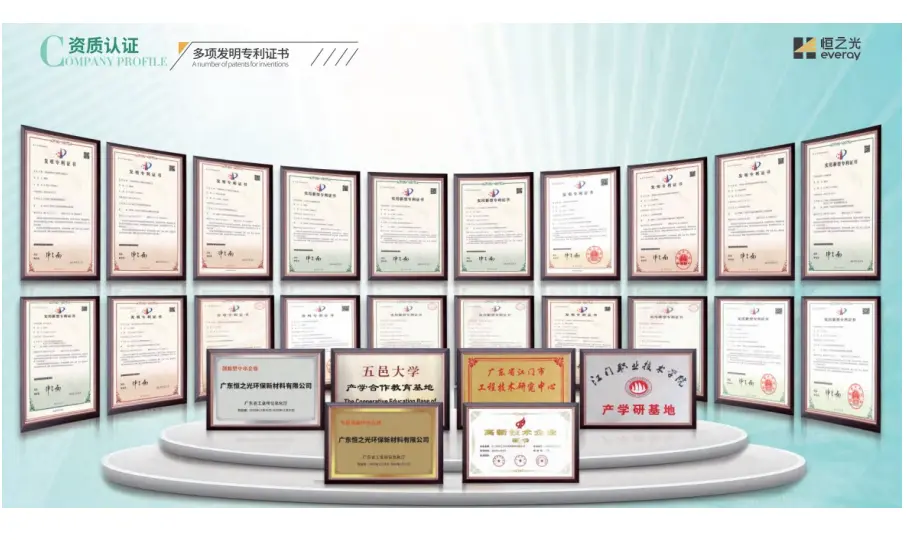
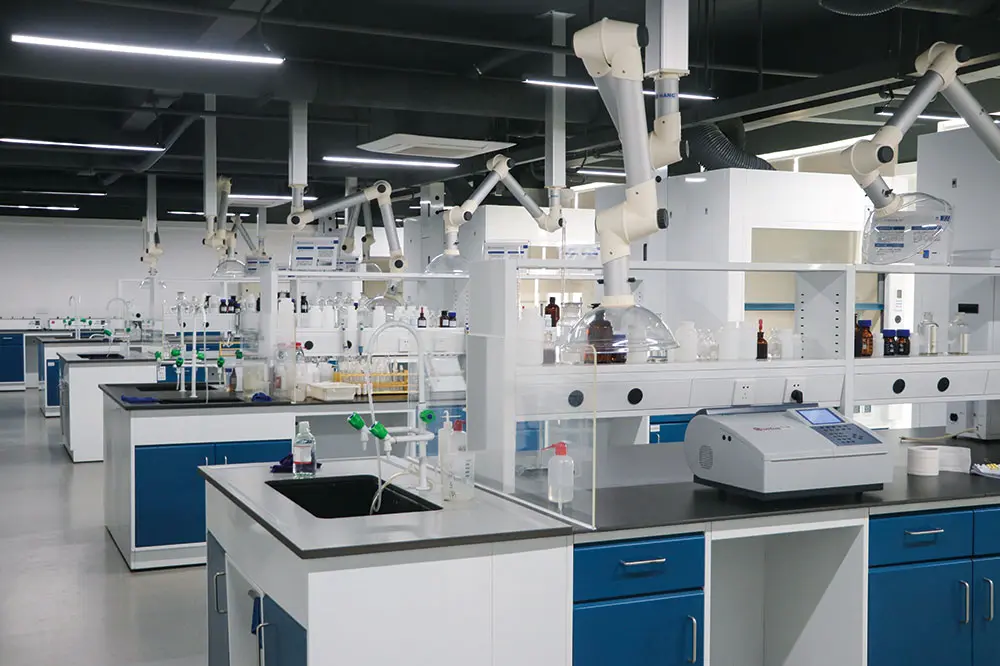
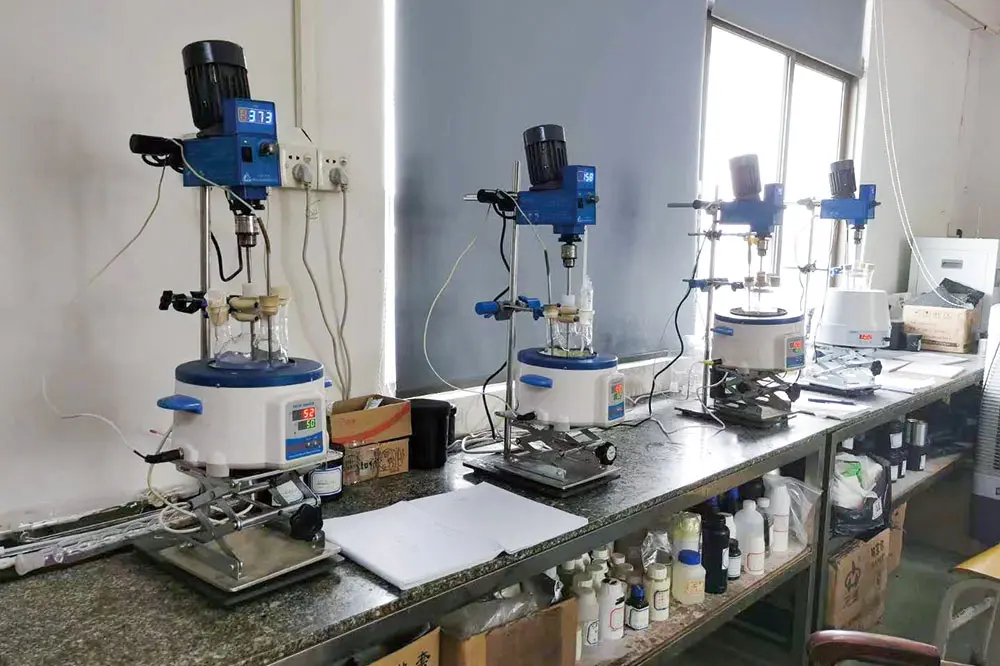
10+ Invention & Utility Patents | 15+ Senior In-house R&D Chemists
Our R&D team continuously refines resin properties to reduce curing energy requirements and raw material costs, enabling customers to optimize performance while achieving cost savings.
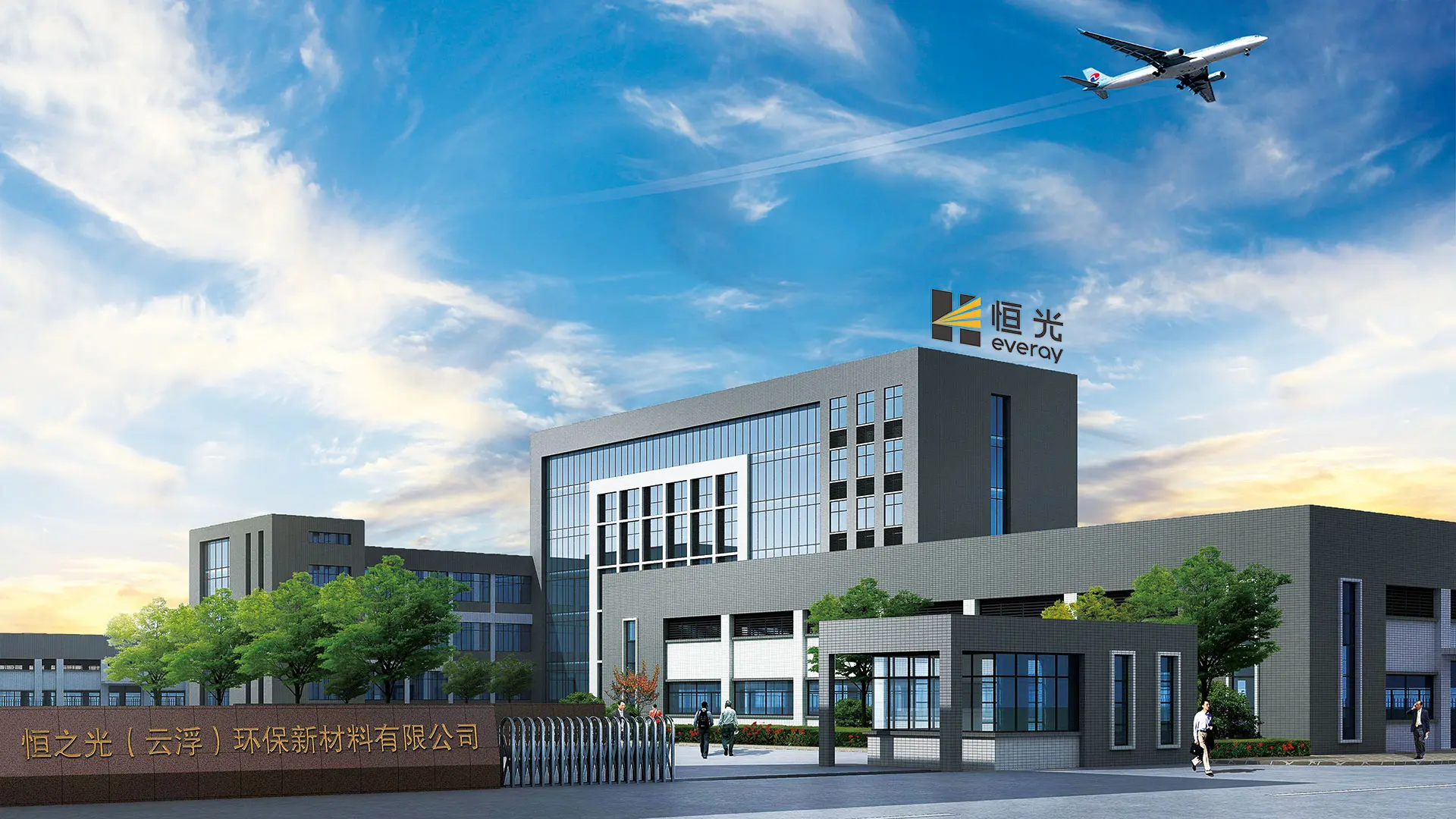
To ensure supply chain resilience, Ever Ray operates two modern manufacturing sites in Guangdong Province. These facilities feature cutting-edge automation to minimize raw batch variations and sustain high-volume global demands.
Covering approximately 10,000 square meters, this facility acts as our agility hub, hosting customized synthesis runs, pilot scale-ups, and specialty formulations tailored for precision client specifications.
Spanning over 40,000 square meters, this high-capacity hub houses mass synthesis reactors. Equipped with automated storage and advanced logistics infrastructure, it enables reliable mass distribution globally.
Both plants operate under the rigorous ISO9001 Quality Management System and ISO14001 Environmental Management System. The polymerization reactions are regulated by an advanced, flexible DCS fully computerized control system. This software-driven synthesis system manages critical parameters such as temperature ramps, monomer addition rates, and reactor pressure, ensuring batch-to-batch consistency and high product stability.
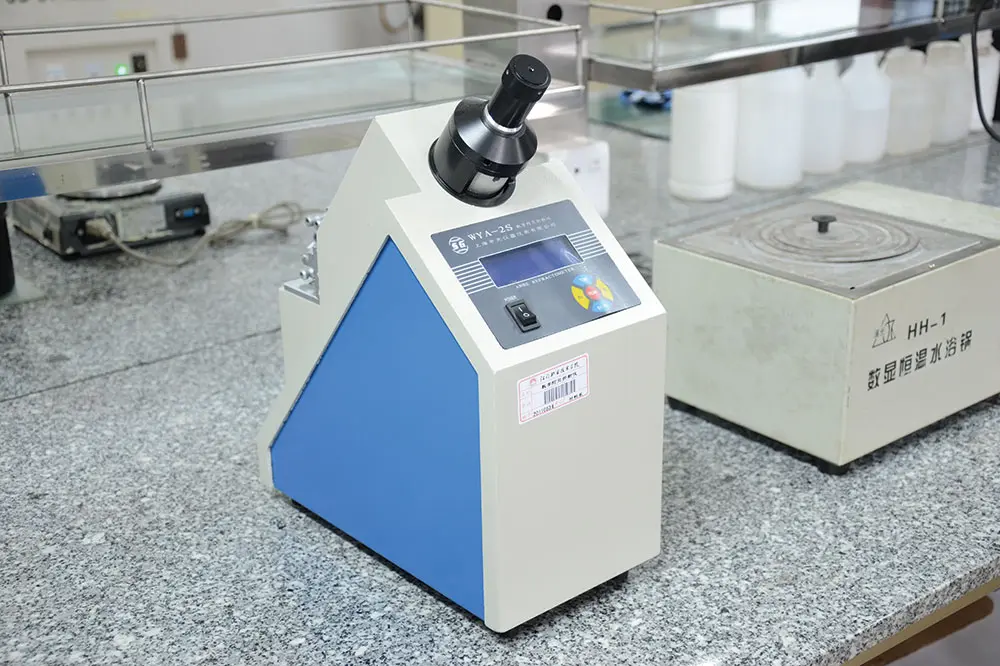
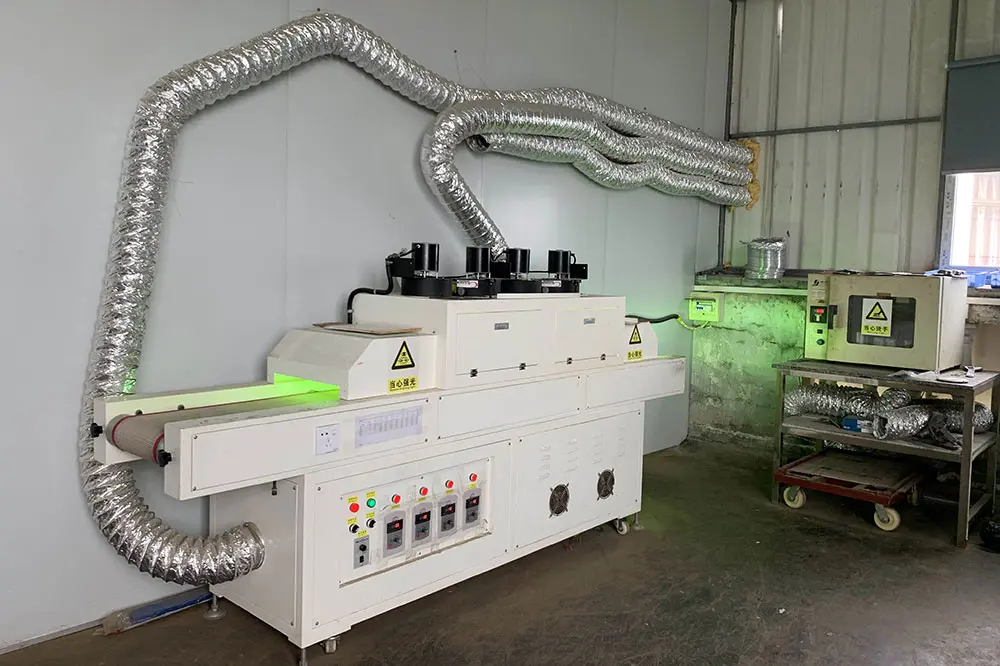
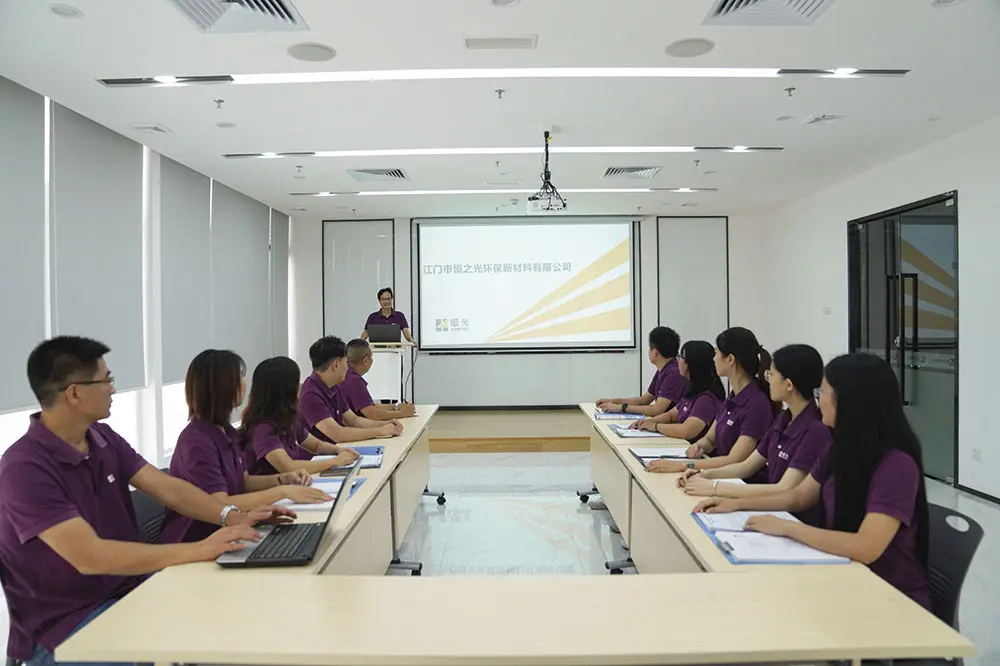
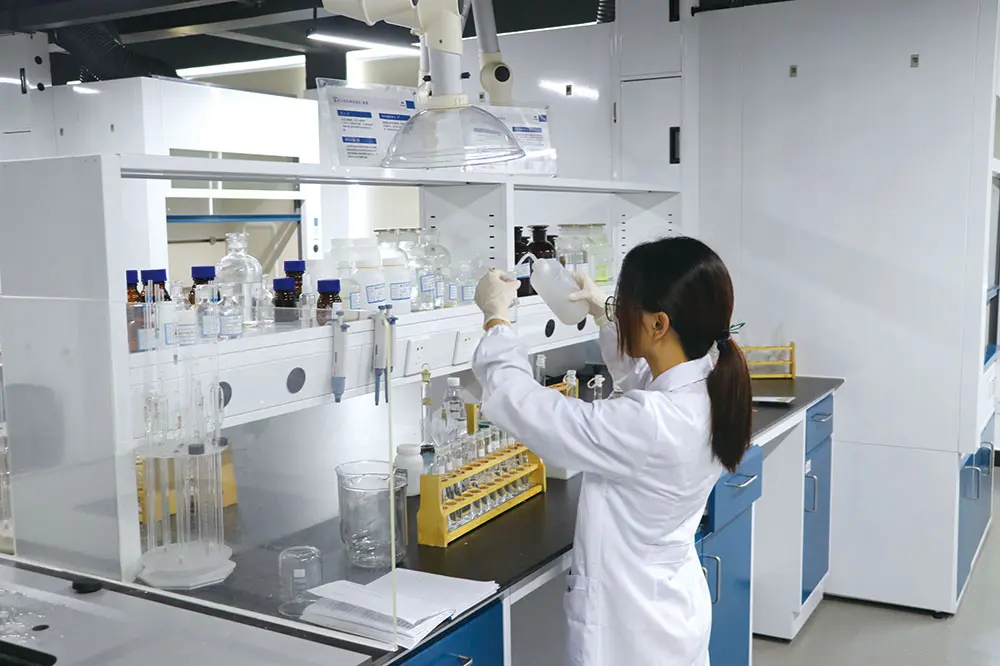
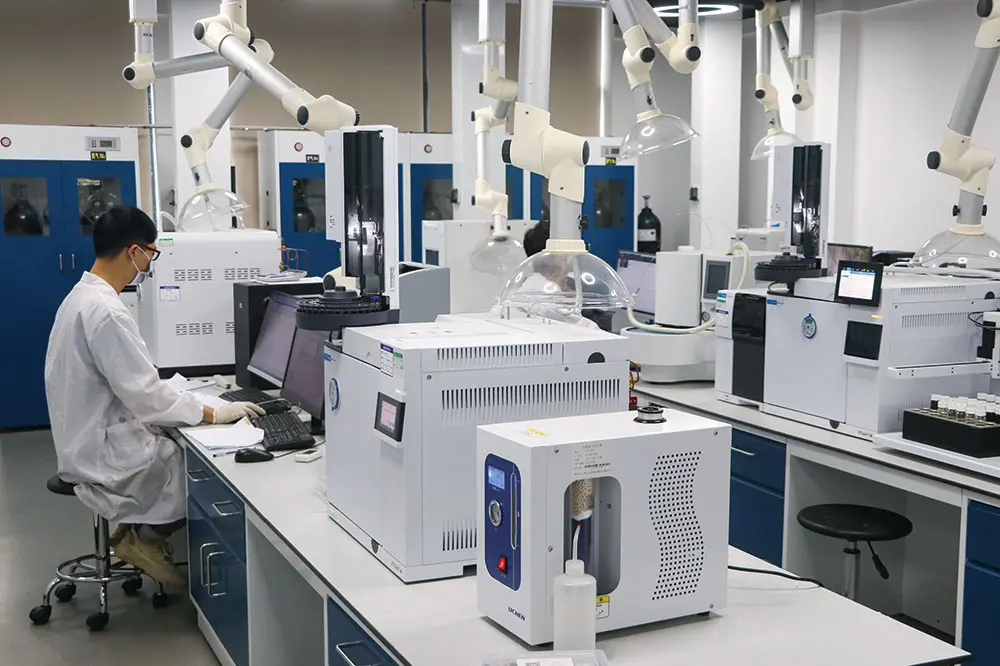
Analyzing market drivers, regional shifts, and the commercial growth of low-VOC photo-curable formulations.
Regulatory frameworks like Europe's REACH, USA's EPA guidelines, and China's environmental inspections have placed tight restrictions on volatile organic compounds (VOCs). Traditional solvent-borne polyurethanes require thermal ovens that release high volumes of VOC solvents. Aliphatic polyurethane acrylate oligomers resolve this issue by utilizing reactive diluent monomers (such as IBOA, TPGDA, or TMPTA) that co-polymerize into the dry film during UV exposure, yielding virtually zero emissions.
The global curing market is transitioning from medium-pressure mercury vapor lamps to monochromatic UV-LED curing systems (365nm and 395nm). This shift demands high-reactivity aliphatic polyurethane acrylate oligomers that polymerize efficiently without high thermal energy. Developing new-generation APUAs that overcome surface oxygen inhibition under low-energy LED light represents a key research focus for modern polymer synthesis laboratories.
With rising carbon-neutral targets, major industrial end-users (especially in the consumer electronics and automotive sectors) demand bio-based raw materials. Synthesizing aliphatic PUA oligomers using bio-succinic acid, cardanol-derived polyols, or soybean-derived epoxies allows factories to reduce their carbon footprint while maintaining the weatherability and scratch resistance of conventional petrochemical-derived materials.
Understanding how structural variations translate to real-world performance attributes.
The physical behavior of an UV cured film is determined by the chemistry of its raw components. While epoxy acrylates provide fast cure speeds and high hardness, their brittle nature and susceptibility to yellowing limit outdoor use. Polyester acrylates offer low viscosity, but face vulnerability to hydrolysis under humid, acidic environments.
Aliphatic Polyurethane Acrylates resolve these trade-offs by combining the tough, flexible urethane backbone with the non-yellowing characteristics of aliphatic diisocyanates. The urethane linkages promote extensive intermolecular hydrogen bonding, imparting exceptional abrasion and impact resistance to the cured network.
Isophorone Diisocyanate (IPDI) structures yield high glass transition temperatures (Tg) and surface hardness. In contrast, Hexamethylene Diisocyanate (HDI) backbones form highly flexible, linear matrices with excellent impact resistance.
Guangdong Ever Ray utilizes precise control over prepolymer molecular weight distribution. Our synthesis protocols provide:
Providing industrial-scale solutions for challenging environmental conditions.
Automotive exteriors face harsh weather conditions, including acid rain, intense sunlight, and road grit. Formulations utilizing Ever Ray’s aliphatic polyurethane acrylate oligomers deliver high scratch resistance, self-healing behavior, and long-term gloss retention without yellowing or chalking over the vehicle's lifespan.
Handheld devices require thin, scratch-resistant coatings that adhere to plastic substrates. Utilizing low-shrinkage urethane acrylates ensures strong adhesion to ABS, Polycarbonate, and PMMA without inducing stress cracks in the substrate, while providing resistance to sweat, skin oils, and household chemicals.
Displays require high optical clarity and controlled refractive indices. Ever Ray's high-purity aliphatic oligomers are engineered to minimize particulate contaminants and eliminate yellowing. This makes them ideal for anti-glare (AG), anti-reflective (AR), and hard coatings on display films.
Expert technical answers to common questions about formulating, processing, and optimizing polyurethane acrylate systems.
The main difference lies in their chemical structures. Aromatic polyurethane acrylates contain benzene rings derived from diisocyanates like TDI or MDI. Under UV light exposure, these rings form conjugated quinoid chromophores, which lead to yellowing and film degradation. Aliphatic polyurethane acrylates utilize linear or cyclic aliphatic structures (like IPDI or HDI) which lack these chromophores. This provides superior resistance to yellowing and weathering, making them ideal for outdoor applications, clear automotive topcoats, and optical films.
The DCS (Distributed Control System) provides automated control over polymerization parameters. Free-radical and addition polymerizations are highly exothermic and sensitive to temperature variations. The DCS continuously monitors reactor temperatures, chemical feeding rates, and pressures. By minimizing human error and stabilizing heat cycles, the DCS ensures that molecular weight distribution, viscosity, and chemical reactivity remain consistent from batch to batch, meeting industrial performance standards.
To achieve this balance, formulators can blend oligomers with different functionalities. High-functionality oligomers (such as hexafunctional APUAs) increase crosslink density, which improves surface hardness and scratch resistance. However, high crosslink density can increase curing shrinkage and reduce flexibility. Blending these with low-functionality, high-molecular-weight difunctional polyurethane acrylates or low-shrinkage polyester/epoxy acrylates helps cushion the cured network. This reduces internal stress and maintains flexibility and adhesion without sacrificing scratch resistance.
Oxygen inhibition occurs when atmospheric oxygen reacts with free radicals, forming stable peroxy radicals that slow down surface polymerization and leave a tacky finish. Formulators can address this by: 1) adding amine synergists to consume oxygen molecules; 2) formulating with high-reactivity oligomers; 3) increasing photoinitiator concentrations (using blends of Type I and Type II initiators); 4) curing under an inert nitrogen atmosphere; or 5) utilizing high-intensity UV lamps to rapidly overcome the inhibition threshold.
Yes, modern waterborne aliphatic polyurethane acrylate dispersions (UV-PUD) can match the performance of traditional systems. They offer physical properties such as hardness and chemical resistance after water evaporation and UV crosslinking. UV-PUDs allow for viscosity control without requiring high concentrations of reactive diluent monomers, which helps reduce odor, skin irritation, and shrinkage, while enabling the application of very thin coatings on complex shapes.
Further industrial solutions including specialized flexographic, offset inks, and snow-effect varnishes.
 Ever Ray